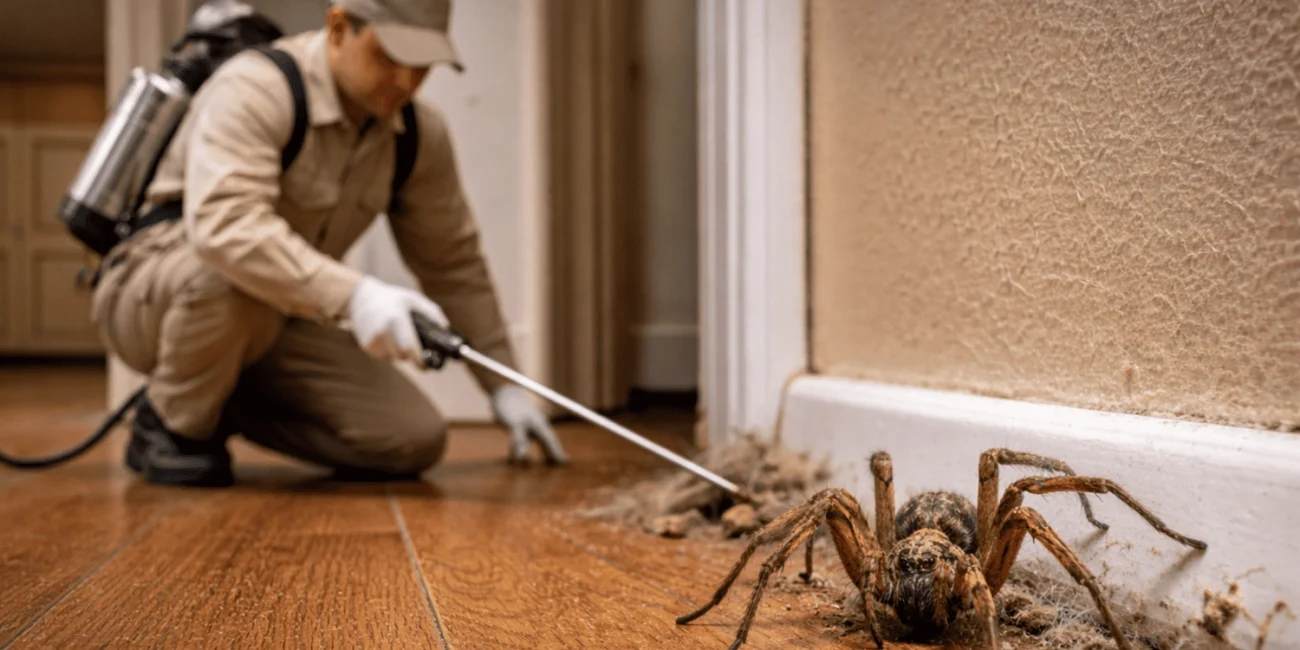
If you’re here reading this, you’ve probably stumbled on an eight-legged intruder in your home, or you’re trying to avoid that situation altogether. Spiders are one of the most common household pests, and while most are harmless, some can be dangerous, and all are unwelcome guests in living spaces.
This article dives deep into spider pest control, explaining the major types you’re likely to encounter, what risks (if any) they pose, and proven ways to get rid of them effectively. Keep on reading because this comprehensive guide has you covered.
Why Do Spiders Enter Homes? Understanding Spider Behavior
Spiders don’t wander inside your home because they are hunting for food. They eat insects, which means if your home has flies, ants, mosquitoes, or other bugs, spiders will follow the buffet trail right inside. Plus:
- Warmth and shelter as seasons change
- Cluttered spaces full of hiding spots
- Gaps and cracks in the structure of your house
Even though many people hate spiders, they serve an ecological function by limiting insects. That said, living with them isn’t ideal, especially when you can’t tell a harmless one apart from a venomous one. That’s where strategic pest control comes in.
Common Household Spiders You May Encounter Indoors
Wolf Spiders
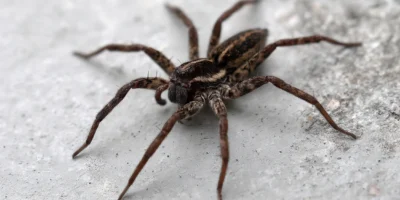
Wolf spiders are large, fast, and intimidating, but they’re generally harmless to people. They don’t build webs rather, they hunt on the ground. Still, their size and sudden movements can make homeowners uneasy.
Hobo Spiders
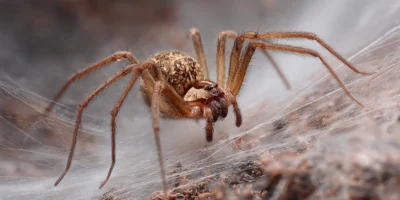
Hobo spiders are more elusive and build funnel-shaped webs in cool, undisturbed areas like basements or crawl spaces. Their bite has been debated as medically significant, so it’s worth treating them with caution.
Black Widow Spiders
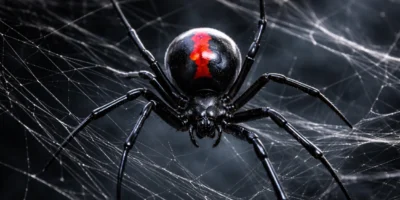
This is the spider name that sends chills down most homeowners’ spines. Female black widows have powerful venom and can pose real health risks, especially to young children, pets, and the elderly. Though deaths are rare, bites are painful and medically significant.
Are Spiders Dangerous? Health Risks and Safety Concerns Explained
Most spiders you find indoors are just tiny hunters looking for food, not trouble. But there are two main categories that require serious pest control attention:
Medically Significant Spiders
- Black widows
- Brown recluses (In some regions)
High-Infestation Aggravating Species
- Wolf spiders
- Hobo spiders
Even if a spider isn’t dangerous, large populations can stress homeowners and increase the chances of unwanted encounters or accidental bites.
Signs You May Have a Spider Infestation at Home
You don’t need a spider sighting to justify pest control, but here are signs that spider populations are too high:
- Visible webs in corners, basements, or sheds
- Frequent sightings of spiders during the day
- Cluttered or damp storage spaces
- Signs of other insects (their food source)
Once spiders see your home as a regular food source and shelter, they’ll stick around, and that means it’s time you start thinking about how to get rid of spiders effectively.
Best Strategies for Spider Pest Control
Let’s talk practical solutions for keeping spiders out and making sure they don’t come back.
Decluttering and Cleaning
Spiders love undisturbed, dusty corners. A regular cleaning routine dramatically reduces hiding spots and makes your home less hospitable:
- Vacuum corners, ceilings, and baseboards weekly
- Remove old boxes, clothing piles, and unused items
- Clean behind furniture and appliances
- Wipe windowsills and doors regularly
This is the first line of defense against any spider infestation.
Seal Every Entry Point
Spiders slip in through the tiniest cracks around:
- Doors and windows
- Foundation gaps
- Air conditioning units
- Utility pipe openings
Use caulk, weather stripping, steel wool, and screens to block these invisible doors. This simple step significantly reduces not just spiders but all crawling pests.
Natural and DIY Spider Deterrents
Not everyone wants chemical sprays inside their home (especially with pets or kids). Here’s what works without harsh toxins:
- Essential Oil Sprays: Peppermint, lavender, eucalyptus, and citrus sprays disrupt spider sensory navigation and act as repellents.
- Vinegar Solution: A 50/50 water-vinegar mix sprayed around common spider pathways repels spiders and dissolves webs.
- Diatomaceous Earth: Sprinkle along baseboards and entryways. This natural powder damages the spider’s exoskeleton and helps prevent return visits.
These methods are excellent preventative tools and can be used in combination for greater effect.
Strategic Use of Traps
Sticky glue traps are inexpensive and catch spiders where they move most: along baseboards, behind furniture, and in closets. Replace them monthly for consistent control.
When to Use Insecticides
For moderate to severe infestations or when dealing with dangerous species (like a suspected black widow), targeted insecticides are often necessary.
It is important to apply labeled products only where spiders travel, like baseboards, corners, and behind appliances. Try not to spray them randomly throughout living spaces, as they’ll be harmful to breathe in. For venomous spiders, professional treatment is often the safest route.
Species-Specific Spider Pest Control Tips
Wolf Spiders
- Seal crawl space and foundation gaps
- Remove ground debris and weeds near exterior walls
- Use targeted sprays or traps in damp basements and garages
- Wolf spiders usually aren’t dangerous, but keeping them outside is usually the goal.
Hobo Spider
- Vacuum webs and egg sacs weekly
- Seal foundation cracks and window gaps
- Use natural repellents or sticky traps in low, cool areas like basements
- Hobo spiders are more likely to set up webs inside, so elimination of cluttered hiding spots is key.
Black Widow
Black widows require a more cautious and exact strategy:
- Identify web locations
- Remove woodpiles and debris that encourage web building
- Seal every possible entry
- Use insecticide treatments in garages, sheds, and outdoor structures
For heavy infestations or if you’re unsure of identification, calling professionals can be the safest bet. Just like the crew at Guardian Mosquito and Pest Control. They are trained pest management experts who know exactly how to handle dangerous spider situations without risking your family’s safety.
Final Words
Spiders show up when a home makes it easy for them to survive. Cleaning, sealing entry points, and removing their food sources does more than any quick spray ever will. Most spider problems are manageable when handled early, but ignoring them usually allows populations to grow and spread.
Effective spider control is about prevention first and targeted action when needed. Once the conditions that attract spiders are removed, they stop coming back, and that’s the real solution.