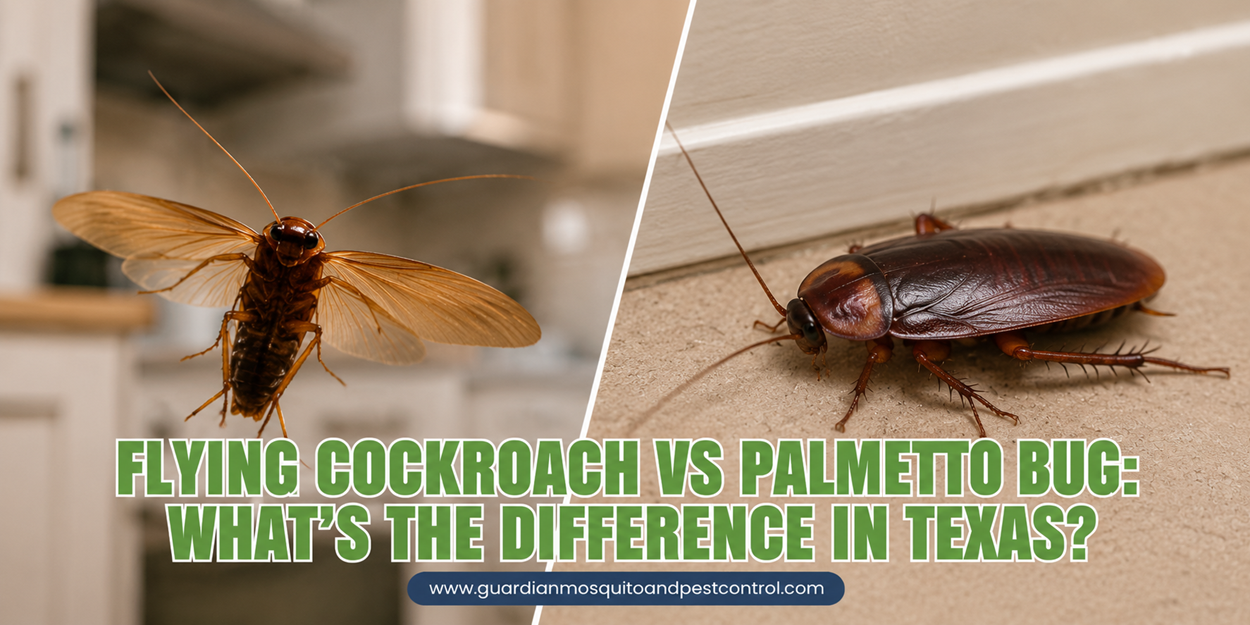
If you’ve ever walked outside on a warm evening and seen a large bug fly straight toward you, chances are you called it a “flying cockroach Taxes.” Then someone else probably said, “No, that’s just a palmetto bug.” So, which one is right?
The truth is, both can be right. The name “palmetto bug” is often used to describe certain large cockroaches. That means many of the bugs people call palmetto bugs are actually cockroaches. The different names often depend on where people live, not on the insect itself.
In this guide, we’ll break down the differences between flying cockroaches and palmetto bugs, explain why they show up around homes, and share practical ways to keep them out for good.
What is a Flying Cockroach?
A flying cockroach is exactly what it sounds like. It is a cockroach with wings that can fly or glide.
Not every cockroach flies well. Some species only use their wings to glide from high places, while others can fly short distances when the weather is warm and humid. This is why people are often surprised when they see flying roaches in Texas, especially during the hotter months.
Many cockroaches have wings, but that doesn’t mean they spend all day flying around. Most still prefer to crawl because it’s faster and takes less energy.
What is a Palmetto Bug?
Here’s where things get confusing. “Palmetto bug” is not a scientific name. It’s simply a nickname people use for certain large cockroach species. Depending on the area, people may call these insects palmetto bugs:
- American cockroaches
- Smokybrown cockroaches
- Florida woods cockroaches
Because of this, when someone talks about palmetto bugs in Texas, they are usually talking about one of these large outdoor cockroach species rather than a completely different insect. In other words, a palmetto bug is usually a cockroach.
Which Cockroaches Fly?
Several cockroach species have wings, but not all are strong flyers.
American Cockroach
This is one of the largest cockroaches found in homes and businesses. Adults grow up to two inches long and have fully developed wings. While they usually run instead of fly, they can fly short distances, especially when temperatures are high. This is the insect most people think of when they mention a flying cockroach in Texas.
Smokybrown Cockroach
These cockroaches are dark brown to almost black. Unlike American cockroaches, they are much better flyers and are often attracted to porch lights at night.
Asian Cockroach
These look similar to German cockroaches but fly much more often. They usually stay outdoors and are strongly attracted to lights.
Can Flying Cockroaches Infest Your Home?
It depends on the species. Outdoor cockroaches like American and smoky brown cockroaches usually don’t build large indoor colonies unless they find plenty of moisture and food.
Indoor species, such as German cockroaches, are much more likely to create serious infestations. Still, repeatedly finding large flying cockroaches inside could point to:
- Water leaks
- High humidity
- Easy entry points
- Food left out
- Outdoor populations are growing too close to the house
Are Cockroaches Dangerous?
Cockroaches don’t normally bite people, but they aren’t harmless either. As they move through drains, trash, and damp areas, they can pick up bacteria and other germs. They may spread these onto countertops, food preparation areas, or stored food.
Their droppings, shed skins, and body parts can also trigger allergies and asthma, especially in children and people with breathing problems.
Even if they aren’t carrying disease directly, nobody wants insects crawling across food or kitchen surfaces.
How to Keep Flying Cockroaches Away?
The best solution is to make your property less attractive to them.
Reduce Moisture
Cockroaches need water to survive. Fix leaking:
- Faucets
- Pipes
- Outdoor spigots
- Air conditioning drains
Also, avoid standing water around your home.
Seal Entry Points
Small gaps make it easy for cockroaches to get inside. Check around doors, windows, utility lines, plumbing, foundation cracks, and garage doors. Weather stripping and caulk can make a big difference.
Clean Outdoor Areas
Remove places where cockroaches like to hide. Keep mulch away from the foundation, clean up leaves, stack firewood away from the house, and trim plants that touch exterior walls.
Store Food Properly
Cockroaches don’t just eat crumbs. They’ll feed on pet food, grease, cardboard, garage, and food spills. Keep food sealed and clean up spills quickly.
Reduce Outdoor Lighting
Bright lights attract many flying insects, including some cockroach species. Switching to warm-colored outdoor bulbs or turning unnecessary lights off at night may reduce activity around doors and windows.
When Should You Call a Pest Control Professional?
One outdoor cockroach isn’t always a reason to panic. However, you should consider professional help if:
- You keep seeing cockroaches indoors.
- You find them during the daytime.
- You notice egg cases or droppings.
- They appear in multiple rooms.
- DIY products aren’t solving the problem.
A trained cockroach exterminator in Texas can identify the species, locate where they’re coming from, and create a treatment plan that addresses the source instead of just the insects you see.
Why DIY Sprays Often Don’t Solve the Problem?
Many store-bought sprays kill only the cockroaches you can see. The bigger issue is where they’re coming from. If outdoor populations remain high or entry points stay open, more cockroaches will continue finding their way inside. Long-term control usually combines inspection, exclusion, sanitation, and targeted treatments rather than relying on sprays alone.
How Does Professional Pest Control Help?
Professional pest control isn’t just about applying products. A good technician will:
- Identify the exact cockroach species.
- Check for moisture problems.
- Inspect entry points.
- Look for nesting areas.
- Recommend prevention steps.
- Apply treatments only where they’re needed.
For homeowners dealing with repeated sightings, companies like Guardian Mosquito and Pest Control can help identify whether the insects are simply wandering in from outside or if a larger problem needs attention.
Final Thoughts
The debate between a flying cockroach and a palmetto bug is mostly about names. In many cases, they’re the very same insect.
The best way to deal with the flying roaches is to focus on prevention first. Reduce moisture, seal gaps, keep outdoor areas tidy, and store food properly. If the problem continues or the number of cockroaches keeps growing, having the property inspected by a pest control professional can help stop the issue before it becomes much harder to manage.
With that said, the team at Guardian Mosquito and Pest Control can identify the species, determine where the cockroaches are coming from, and recommend the most effective treatment plan to help protect your home and keep it pest-free.
Frequently Asked Questions About Flying Cockroaches and Palmetto Bugs in Texas
1. Are flying cockroaches and palmetto bugs the same thing?
In many cases, yes. “Palmetto bug” is a common nickname for certain large cockroach species, including American and smokybrown cockroaches. Some of these cockroaches can fly or glide, so a flying cockroach may also be called a palmetto bug.
2. What kind of cockroaches fly in Texas?
Several cockroach species found in Texas can fly or glide, including American, smokybrown, and Asian cockroaches. Smokybrown and Asian cockroaches are generally stronger flyers, while American cockroaches are more likely to run but can fly short distances in warm conditions.
3. Why are flying cockroaches coming into my Texas home?
Flying cockroaches may enter homes through gaps around doors, windows, plumbing, utility lines, garages, and foundation cracks. Moisture, food, shelter, and outdoor lighting can also attract cockroaches close to your home and increase the chance of them getting inside.
4. Are flying cockroaches dangerous?
Flying cockroaches can be a health concern because they may carry bacteria and other contaminants from places such as drains, garbage, and damp areas. Their droppings, shed skins, and body parts can also contribute to indoor allergens that may trigger allergies or asthma.
5. How can I keep flying cockroaches out of my house?
Reduce moisture, repair leaks, seal cracks and gaps, keep food in sealed containers, clean outdoor areas, and remove debris or hiding places near the foundation. Reducing unnecessary outdoor lighting may also help limit cockroach activity around entrances.
6. When should I call a cockroach pest control professional in Texas?
Consider professional pest control if you repeatedly see cockroaches indoors, find them during the daytime, notice droppings or egg cases, see cockroaches in multiple rooms, or continue having problems after using DIY products. A professional can identify the species, find potential entry points and hiding areas, and recommend an appropriate treatment plan.