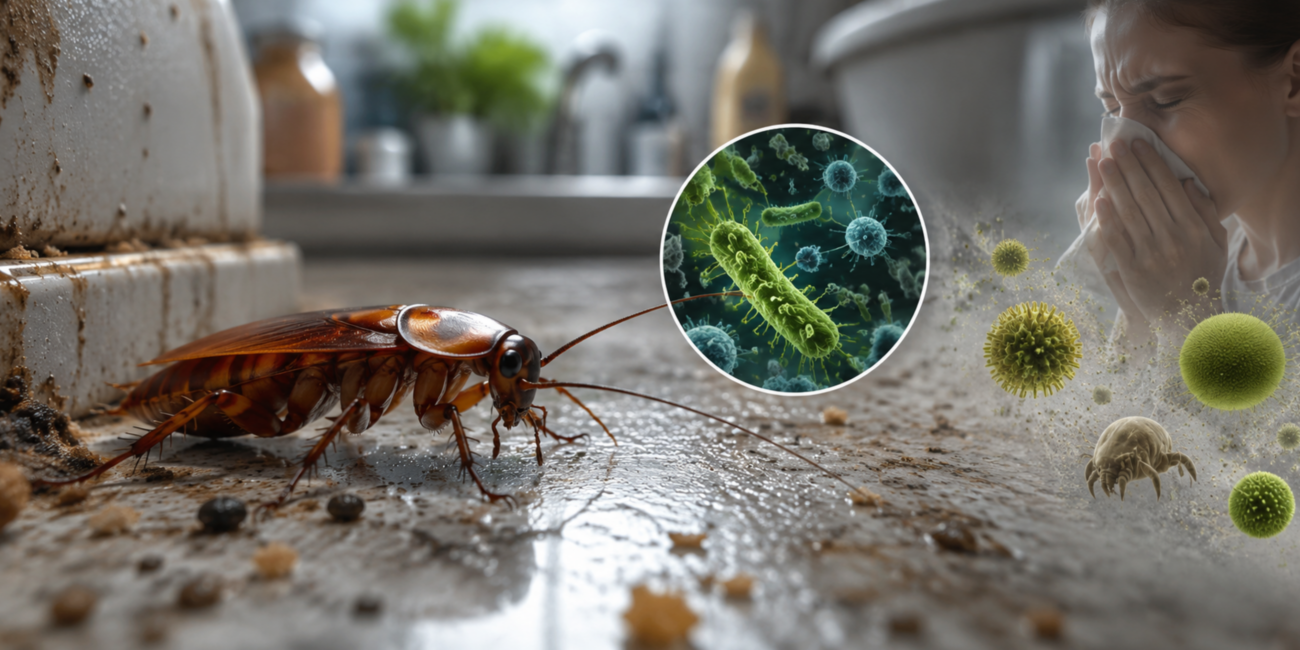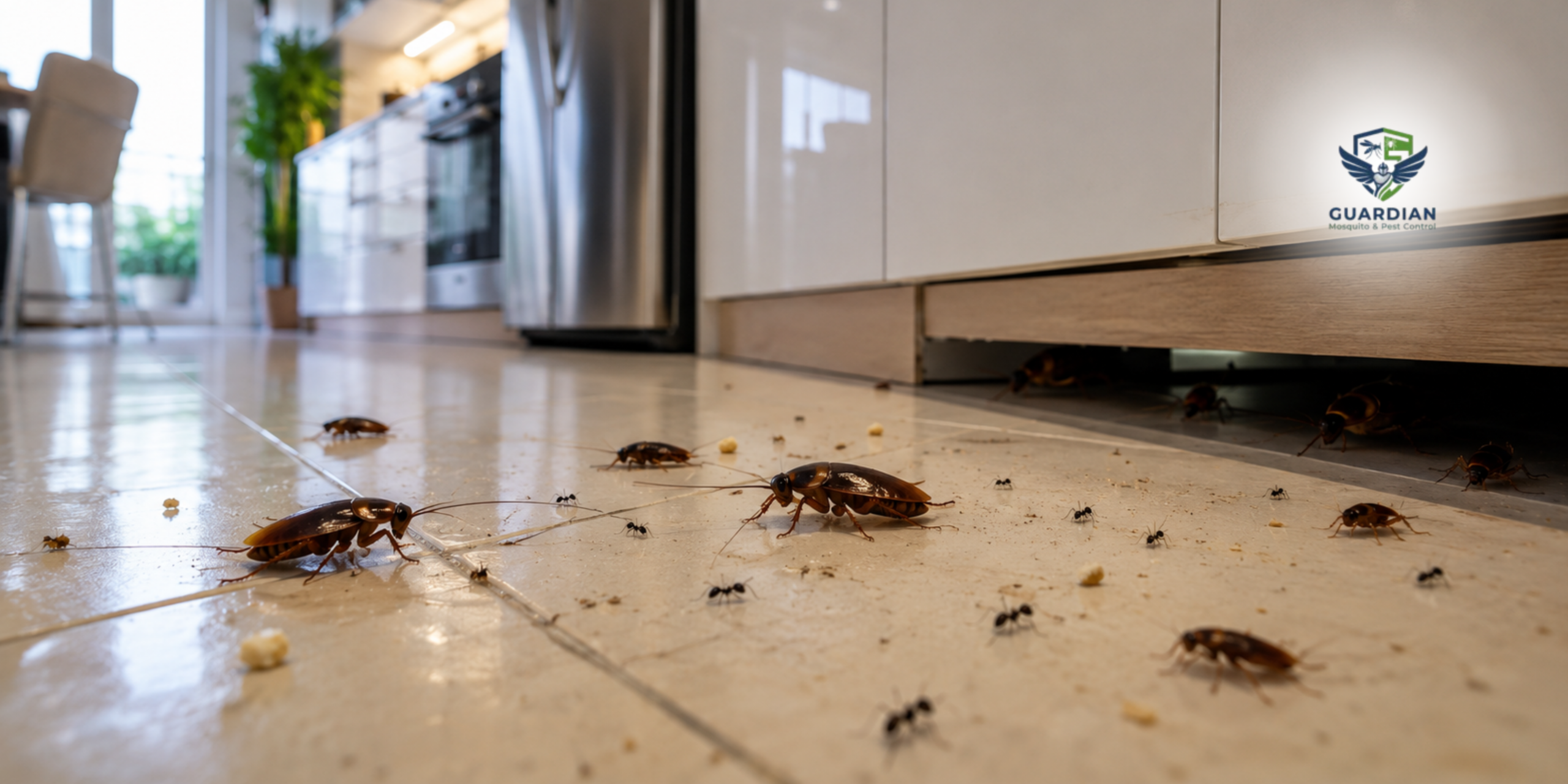
If you have just found cockroaches in your home, one of the first questions is probably: How long does cockroach treatment take?
The honest answer is: it depends on how established the infestation is and what type of cockroach you have. A small problem may improve within a few days, while a well-established infestation can take several weeks and sometimes requires more than one treatment.
This is especially important in Montgomery, where warm weather, humidity, outdoor vegetation, garages, crawl spaces, and access to water can give cockroaches plenty of places to hide.
Professional cockroach treatment in Montgomery, TX should not be judged just by whether every roach disappears the day after treatment. In many cases, seeing some roaches after treatment is normal. What matters is whether the population is steadily going down.
What Happens During Cockroach Treatment?
A good treatment usually starts with finding where the cockroaches are living and how they are getting inside. A technician may look around:
- Under and behind kitchen appliances
- Inside cabinets and drawers
- Around sinks and plumbing
- Behind refrigerators and ovens
- Around water heaters
- In garages and utility areas
- Around doors and windows
- In wall or plumbing openings
- Near drains and other damp areas
- Around outdoor harborage areas
This inspection matters because spraying random areas of the house is rarely enough. Depending on the species and infestation, treatment may involve targeted insecticide applications, gel baits, dusts in appropriate voids, monitoring traps, exclusion work, and recommendations to remove food and water sources.
Baits can be particularly useful because cockroaches carry the bait back into areas where other roaches may encounter it. But bait needs to be placed where cockroaches actually travel. Putting a large amount in one random location is not automatically better.
What Should You Expect During the First Week?
The first few days can actually be confusing. You may see more cockroaches than usual, especially shortly after certain treatments. This does not automatically mean the treatment failed.
Some products can disturb cockroaches and cause them to move out of hiding. Others work more slowly, allowing cockroaches to encounter and consume bait before dying. You may also find dead or dying roaches in places where you did not normally see them.
With some professional bait treatments, population reduction can begin within about a week. However, that does not mean every cockroach will be gone in seven days.
This is where many homeowners become frustrated. They see two or three live roaches after treatment and assume nothing worked. A better question is: Are you seeing fewer roaches than before?
Why Are You Still Seeing Baby Cockroaches?
Seeing small cockroaches after treatment can be alarming, but it does not automatically mean the treatment failed. Baby cockroaches, called nymphs, can emerge from egg cases that were already present before treatment. They may also have been hiding in areas that were not immediately reached.
German cockroaches are particularly difficult because they reproduce quickly and can establish large indoor populations. That is why professional treatment often involves monitoring and follow-up rather than assuming one visit will solve everything.
If you continue seeing increasing numbers of nymphs over several days, especially in multiple rooms, tell the pest professional. It may indicate that the infestation is larger than originally thought or that additional treatment is needed.
When Should You Get a Follow-Up Treatment?
Follow-up timing depends on the pest species, treatment method, and severity of the infestation. A minor problem may need little more than monitoring after the initial service. A significant infestation may require additional bait placement or another targeted treatment.
Do not assume that repeated spraying is always the answer.
Cockroach control works best when treatment is combined with sanitation, moisture control, monitoring, and exclusion. Repeatedly spraying without addressing food, water, and hiding places can leave the underlying problem untouched.
If a cockroach exterminator in Montgomery, TX tells you that follow-up is necessary, that does not necessarily mean the first treatment failed. It can be part of a normal control program.
What Can You Do After Treatment?
Keep food sealed and clean crumbs from counters and floors. Avoid leaving dirty dishes overnight. Empty indoor trash regularly, and fix leaking faucets or pipes. Do not wash or scrub treated areas immediately unless your pest professional tells you to. You could remove a product before it has had time to work.
Also, avoid using random store-bought sprays around professional bait placements. Some sprays can repel cockroaches from areas where they need to encounter bait. If monitoring traps are being used, leave them where the technician placed them. They help show whether activity is actually decreasing.
And most importantly, report what you are seeing. The number, size, and location of cockroaches can tell a professional a lot about whether the treatment is progressing normally.
When Should You Call a Professional?
Seeing one large cockroach occasionally does not always mean you have a major indoor infestation. But repeated sightings, especially during the daytime, seeing many small nymphs, finding droppings or discovering cockroaches in several rooms are good reasons to have the situation inspected.
Daytime activity can sometimes indicate that a population is large enough that normal hiding spaces are becoming crowded, although it is not a perfect measure of infestation size. A professional can also help determine whether you are dealing with German cockroaches, American cockroaches, smoky brown cockroaches or another species. That identification matters because their behavior and preferred hiding places are different.
For homeowners who want a structured approach rather than repeatedly trying different products, Guardian Mosquito & Pest Control can assess the infestation and recommend treatment based on what is actually happening in the home.
The Bottom Line
So, how long does cockroach treatment take? In many homes, you should expect noticeable improvement within the first week, but complete control can take several weeks, particularly when the infestation is established or reproduction is ongoing.
The biggest mistake is expecting every cockroach to disappear immediately after treatment.
Good cockroach control is about reducing the population, stopping reproduction, removing food and water sources, closing entry points, and following up when necessary. If activity is steadily decreasing, that is a much better sign than simply counting how many live roaches you see on one particular night.
Frequently Asked Questions About Cockroach Treatment in Montgomery, TX
1. How long does professional cockroach treatment take to work?
Professional cockroach treatment may begin reducing activity within a few days, but controlling an established infestation can take several weeks. The timeline depends on the cockroach species, infestation severity, treatment method, and sanitation conditions. Guardian Mosquito & Pest Control provides cockroach control solutions in Montgomery, TX, tailored to the infestation and may recommend follow-up visits when necessary.
2. Is it normal to see cockroaches after pest control treatment?
Yes, seeing some cockroaches after treatment can be normal. Certain treatments may disturb cockroaches and cause them to emerge from hiding, while baits can take time to work. Monitor whether sightings decrease over the following days and follow your technician’s instructions. Contact your pest control provider if cockroach activity remains high or increases.
3. Why am I still seeing baby cockroaches after treatment?
Baby cockroaches, known as nymphs, may appear after treatment because eggs or egg cases were already present before the service. Some cockroach species reproduce rapidly, and newly emerged nymphs may require additional monitoring or targeted treatment. If you continue finding increasing numbers of small cockroaches, contact your pest control professional to determine whether further treatment is needed.
4. How many cockroach treatments are needed to eliminate an infestation?
The number of treatments depends on the cockroach species, infestation size, treatment method, and conditions inside the property. A minor infestation may improve after one service, while a larger infestation, particularly one involving German cockroaches, may require follow-up treatments and ongoing monitoring. Sanitation, moisture control, and sealing entry points can also improve treatment results.
5. How much does cockroach extermination cost in Montgomery, TX?
Cockroach extermination costs in Montgomery, TX, vary depending on the property size, cockroach species, severity of the infestation, and whether follow-up treatments are required. A professional inspection can help determine the appropriate treatment plan and associated cost. Contact Guardian Mosquito & Pest Control to discuss your cockroach problem and request information about available treatment options.