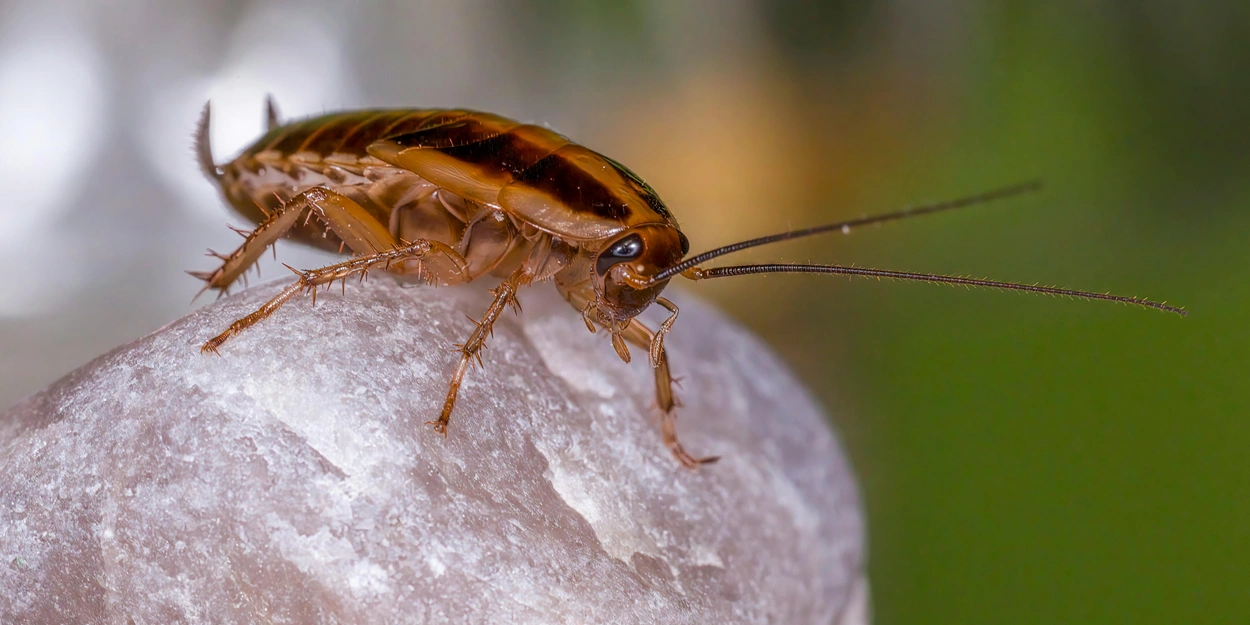
Cockroaches are already a nightmare to deal with, but when you start spotting baby cockroaches, you are dealing with an even bigger problem. The reason is that baby roaches, especially Baby German Cockroaches, are a sign of a full-blown infestation happening.
If you are asking yourself questions like: How to identify the kind of cockroaches I am dealing with, or How do I get rid of them, this blog is for you. We are going to discuss everything about these cockroaches, from the different kinds of them to the most effective way to get rid of Baby German Cockroach. By the end of this blog, you’ll know exactly how to stop these pests from taking over your kitchen, bathroom, and entire home.
What Do Baby German Cockroaches Look Like?
This is the most important step because if you don’t know what you are looking at, you won’t know how to fight it. So, baby roaches are known as nymphs and look sorta different from adults. You can differentiate them with these factors:
- Size: Nymphs are around ⅛ inch long, which is basically the size of a sesame seed.
- Color: Adult cockroaches are tan in color, whereas baby cockroaches are dark brown to almost black in color.
- Shape: Oval with a flat body and, yes, no wings yet.
- Movement: If you have encountered a baby cockroach, you know they are much faster than the adults.
The thing is that if you are seeing one baby German cockroach, dozens more are hiding in cracks and crevices. So, if you see a tiny black-brown bug zipping away when you turn on the lights, you’ve got a big problem on your hands.
Why Baby Cockroaches Are Harder to Get Rid of Than Adult Cockroaches?
If you see one adult roach, it could mean that it just wandered in. But spotting mini roaches means that they are breeding inside your home. They are harder to get rid of because:
- Cockroaches don’t lay eggs one by one. They carry egg cases that hatch into dozens of babies.
- Just one German cockroach female can produce more than 300 offspring in her lifetime. If you see one baby roach, it means an infestation is already happening.
- Baby cockroaches grow fast, which means that they will be full-grown adults making more babies within weeks.
If you are seeing German cockroach babies, you are not at the start of the problem but in the middle of it.
Common Hiding Spots of Cockroaches
To get rid of cockroaches, you need to know where they live. They are quite hard to find, but their favourite hideouts include:
- Inside cracks in the kitchen cabinets and drawers.
- Behind and under appliances like the refrigerators and microwave ovens.
- In drains, under sinks, and around plumbing pipes.
Baseboards, septic tanks, and dark corners.
Baby roaches stay close to food and water. They love to come out at night and roam around, spreading their germs and diseases everywhere
 How to Kill Baby German Cockroaches: Best Strategies
You need a proper plan to wipe out the whole population of these pests. Here are the most effective ways that could help:
Gel Baits
Gel baits are the gold standard because roaches eat them, crawl back to their hiding spots, and die. But it does not end here. Other roaches eat the poisoned roaches’ bodies and die. It is a chain reaction. So, how to use them:
Place bait dots near cracks, under appliances, and inside cabinets. Make sure not to spray pest repellent over baits because sprays repel roaches from eating them.
Apply Insect Growth Regulators (IGRs)
IGRs help break the breeding cycle of these roaches. Sure, they don’t kill on the spot, but they stop cockroaches from developing into adults. You can use them alongside baits for maximum impact. Without IGRs, you’ll keep killing adults while new German cockroach babies keep showing up.
Use Boric Acid and Diatomaceous Earth
If you want a budget-friendly option, boric acid works when cockroaches walk through it, groom themselves, and ingest it. Another option could be diatomaceous earth. It kills by dehydrating roaches when they crawl over it. Make sure to use only food-grade diatomaceous earth, as it is safe for pets and people. Sprinkle lightly in cracks, behind appliances, and under sinks.
Eliminate Food and Water Sources
This is extremely critical. Clean up the kitchen before sleeping. Store all the food in sealed containers and empty trash cans daily. Fix all the leaky faucets and pipes timely.
Seal All Entry and Exit Points
A baby cockroach can squeeze into cracks as small as the size of a rice grain. So, if possible, seal gaps around plumbing with caulk, install door sweeps, and patch holes in walls or baseboards. Now, doing this won’t kill the ones already inside, but it keeps new ones from joining the party.
Call Professional Exterminators
If you have tried everything and you are still spotting cockroach babies running around, it is time to call in the experts. Professionals have access to stronger, commercial-grade German cockroach killers that are usually not available at your local store.
And, honestly, if you are seeing them during the day, that means the infestation has grown to a massive level. So, it is time to stop wasting time and get professional help.
Final Thoughts
Seeing a cockroach roaming freely in your home is not just gross but a warning sign. There is probably a nest nearby, and more are on the way. The best way to win is to identify correctly, attack appropriately, and stay consistent. Follow the tips mentioned above to break the cycle. If the infestation is out of control, bring in the professionals.
Frequently Asked Questions (FAQs)
1. How do you identify a baby German cockroach?
They are tiny (about ⅛ inch), dark brown to black, wingless, and move very fast. Adults are tan with stripes, whereas babies are darker and smaller.
2. How do you get rid of baby German roaches?
Use gel baits and insect growth regulators combined for fast results. This method is much better and far more effective than spraying.
3. Why do I see baby roaches but no adults?
This usually means that adults are nesting in hidden spots, like inside walls and appliances. Roaches release a chemical scent that attracts babies to stay close to food and water. So, if you only see babies, it means the adults are reproducing nearby.
4. What chemical kills cockroaches instantly?
Contact sprays work for instant kills, but if you want something stronger than store-bought brands, professionals use non-repellent insecticides like fipronil or indoxacarb.
areas.