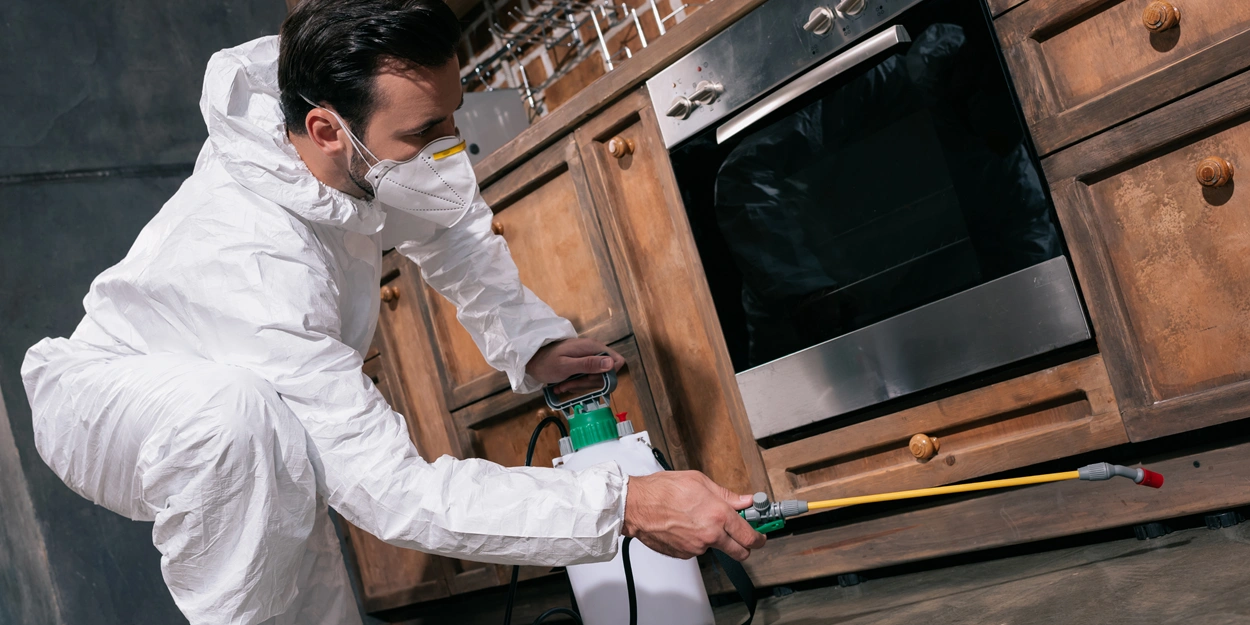
Pets are family. So when a pest infestation hits, whether it’s fleas, ants, rodents, or bed bugs, you expect two things from your pest control company: efficiency and absolute care for your pets in your home.
At Bed Bug Texas, we treat infestations like emergencies for your comfort and as controlled, low-risk operations for your pets’ safety. Along the way, we will also explore how pet-friendly pest control works, what you can expect to pay, and the simple steps you should take before, during, and after treatment. Let’s get started.
Why Pet-Friendly Pest Control Matters for Every Texas Home
Traditional pest control methods often deploy powerful insecticides or bug killer formulations meant to kill insects quickly. But residual insecticides can linger in fabrics, on floors, in cracks and crevices, where direct contact with them could harm your pets. A poorly handled treatment may trigger vomiting, skin irritation, respiratory distress, or worse in sensitive animals.
Additionally, many pests (fleas, ticks, mosquitoes, bed bugs) pose a risk not just to humans but to pets as well. So effective pest control is definitely in a pet owner’s interest, but only so long as the methods are safe.
This tension means you must demand more from any pest control provider: demonstrable procedures, well-trained technicians, clear instructions for pet owners, and adherence to safety and licensing standards. In Texas, you can also check whether the provider holds a pest control license (or relevant certification) to ensure regulatory compliance.
How Bed Bug Texas Provides Safe Pest Control for Homes With Pets
Bed Bug Texas focuses on pet-friendly pest control by combining expert inspection, safe treatment techniques, and proven Integrated Pest Management (IPM) strategies. Here’s how the company ensures effective results while keeping pets safe:
1. Inspect First, Treat Second
We begin every job with a detailed inspection to identify the type of pest infestation, locate nesting spots, and choose targeted treatments. This limits unnecessary chemical use and exposure to pets.
2. Using Integrated Pest Management (IPM) for Safer Results
IPM emphasizes non-chemical fixes first: sealing entry points, fixing moisture problems, cleaning up what attracts pests, and using traps and baits where effective. Chemicals are a last resort or are used in a precisely targeted way. This lowers pest control costs for homeowners over time because it reduces repeat emergency sprays and focuses on prevention.
3. Selecting the Right Pet-Safe Bug Killers
Some insecticides are low-toxicity to mammals, others are not. We make sure to select products and application methods that reduce airborne drift and residue in pet-accessible areas. These methods include wall void treatments, bait stations, micro-droplet spot treatments, and perimeter exterior barriers rather than heavy indoor fogging.
4. Heat Treatments or Thermal Methods
For bed bugs in particular, heat is a powerful tool. Raising the temperature in a room above what bed bugs can tolerate (120-135 °F or more) kills bugs at all life stages without using residual chemicals. If the situation allows, we use this method for pet-safe extermination in infested rooms.
5. Clear Instructions Before and After Treatment
Professional pest control includes clear communication. They give pet owners detailed pre- and post-treatment instructions, including re-entry times, cleaning tips, and how to store pet bedding safely.
6. Post-Treatment Monitoring and Follow-Up
After treatment, they check effectiveness and only reapply if necessary, again using targeted methods. That’s better for pets and better for your wallet than repeat full-house fogging.
What You Should Do Before the Pest Control Crew Arrives
- Move Pets Out of the Treatment Area: Shift them to a different room, a friend’s house, or daycare for a few hours. If moving them offsite isn’t possible, secure them in a well-ventilated room that won’t be treated.
- Pick up Pet bowls, Toys, and Bedding: Remove all your pet belongings from areas scheduled for treatment; these can be replaced or laundered afterwards.
- Inform Your Technician of Pet Health Issues: Tell the crew about any medical issues of your pet, such as respiratory disease, pregnancy, or senior pets, so they can adjust treatment choices.
Understanding Pest Control Licensing and Regulations in Texas
Every pest control company operating in Texas must be licensed. These regulations exist to ensure safety, accuracy, and accountability. Bed Bug Texas operates under a valid pest control license in Texas, meaning all technicians are properly trained, certified, and equipped to use pest control products safely around people and pets.
Licensed professionals understand correct application rates, approved chemicals, and safety protocols that protect both your home and your furry companions.
How Much Does Pest Control Cost in Texas, And How Pet Safety Affects Price
The question “How much for pest control?” doesn’t have a single answer. It usually depends on factors like pest type, infestation level, and home size. On average, homeowners in Texas pay anywhere between $40 and $180 for one-time pest control treatments. Regular monthly service costs are even lower, saving you money long term.
Choosing pet-friendly pest control options may slightly increase the upfront pest control cost, but they prevent vet bills, chemical exposure, and recurring infestations.
DIY vs. Professional Pest Control for Pet Owners
From vinegar sprays to essential oils, you’ll find countless DIY “pet-safe” pest remedies online. While some can help temporarily, they’re rarely enough to eliminate a serious pest infestation. The worst part is that some homemade mixes using essential oils can be toxic to cats and sensitive pets if misused.
If you’ve got a serious infestation (bed bugs, fleas, ticks, roaches, rodents), professional, licensed intervention is the safest and most reliable route. Use DIY methods only as short-term, low-risk complements and not replacements.
Emergency Tips: What to do if Your Pet is Exposed to a Bug Killer
If you suspect pesticide exposure:
- Remove the pet from the treated area immediately and get to fresh air.
- Avoid bathing or scrubbing unless instructed by a vet because some products can worsen absorption if rubbed into skin.
- Call your veterinarian or the animal poison control line right away.
Wrapping Up
Your pets are family, and their safety matters just as much as eliminating pests. A true pet-friendly pest control service doesn’t compromise. It kills bugs effectively while keeping your four-legged companions safe and comfortable.
Whether you’re concerned about pest control cost or worried about the effects of a bug killer, remember: the right team makes all the difference. With licensed experts, careful planning, and proven methods, Bed Bug Texas delivers safe, reliable, and pet-conscious solutions for every home. So, book a service and breathe easy.