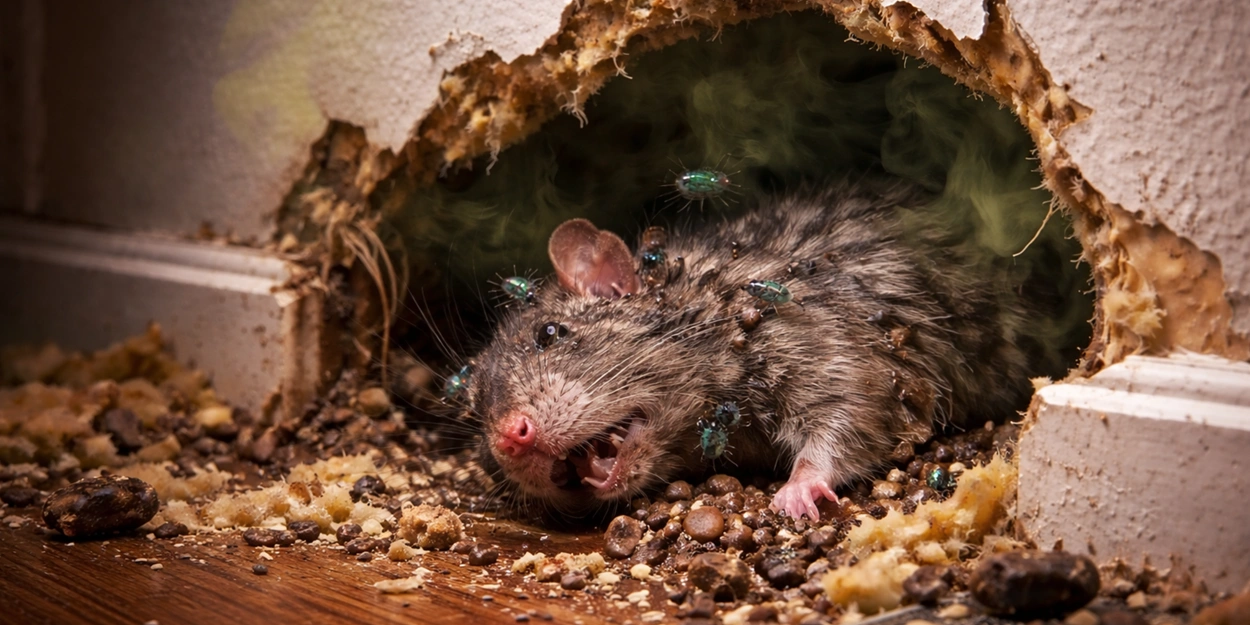
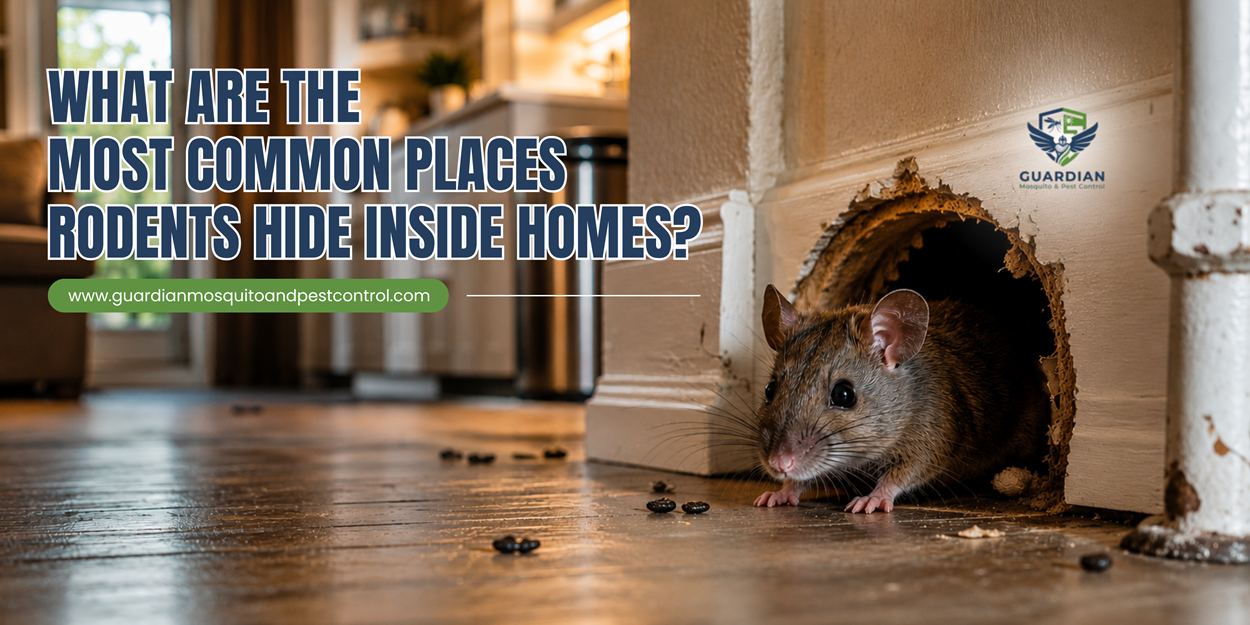
 Rodents spend most of their time hiding. They’re surprisingly good at staying out of sight, which is why many homeowners don’t realize they have a problem until the infestation has already grown.
If you’ve been hearing odd noises or noticing small clues around the house, it helps to know where these unwanted guests like to hang out. Understanding where these pests hide is one of the best ways to catch an infestation early and prevent costly damage.
Where Do Rodents Usually Hide Indoors?
Rodents are experts at staying out of sight. They look for dark, quiet areas that provide shelter, warmth, and easy access to food and water.
One of the most common hiding spots is inside wall voids. Mice and rats can squeeze through surprisingly small openings and travel between walls without being seen. Homeowners often notice scratching sounds, especially at night, when rodents become active.
Attics are another favorite location. They offer warmth, insulation, and protection from predators. Rodents frequently use attics for nesting and may chew on stored items, insulation, and even electrical wiring.
Basements and crawl spaces also attract rodents because they are typically less disturbed. Moisture, clutter, and easy entry points create ideal conditions for nesting.
Why Are Kitchens and Pantries High-Risk Areas?
Rodents go wherever food is available. Kitchens, pantries, and storage areas often provide easy access to crumbs, pet food, grains, and improperly sealed food containers.
Cabinets beneath sinks are especially attractive because they offer both water and shelter. If you notice gnaw marks, droppings, or unusual odors in these areas, they could be important signs of rodent infestation that should not be ignored.
Can Clutter Create Hidden Rodent Habitats?
Absolutely, garages, storage rooms, and cluttered closets provide perfect hiding places. Stacks of cardboard boxes, old furniture, and rarely used items create safe nesting areas where rodents can reproduce unnoticed.
Many infestations grow significantly before homeowners discover them, simply because the pests are hidden behind stored belongings.
When Should You Call a Professional?
Rodents can contaminate food, spread bacteria, damage insulation, and chew electrical wiring, increasing fire risks.
If you’ve noticed multiple signs of rodent infestation, it may be time to contact experts who specialize in rodent control in Montgomery, TX. Professional inspections can identify entry points, nesting locations, and the severity of the problem.
Companies like Guardian Mosquito and Pest Control provide professional rodent removal services designed to eliminate infestations and help prevent future issues. Acting quickly is often the difference between a small issue and a major infestation.
The longer rodents remain hidden, the more damage they can cause. Early detection and professional intervention remain the most effective ways to protect your home.
FAQ
Q1. What are the most common signs of a rodent infestation?
The most common signs include droppings, scratching noises in walls or ceilings, gnaw marks on food packaging, damaged insulation, and a strong musty odor. If you notice more than one of these signs, it’s a good idea to investigate further.
Q2.Can rodents damage my property?
Yes, rodents can chew through electrical wires, insulation, wood, drywall, and even plastic pipes. Their chewing habits can lead to costly repairs and, in some cases, increase the risk of electrical fires.
Q3. When should I contact a professional rodent control company?
You should contact a professional if you notice repeated rodent activity, find droppings regularly, hear scratching noises, or suspect rodents are nesting inside your home. Professional treatment is often the fastest and most effective solution.
Q4. How can you help prevent future rodent infestations?
Keeping food sealed, reducing clutter, sealing entry points, fixing leaks, and scheduling regular pest inspections can significantly reduce the chances of rodents returning to your home.