Bed bugs are difficult to eliminate because they can hide in mattress seams, furniture, cracks, baseboards, and other protected areas. DIY remedies may kill individual bugs, but treating an infestation successfully requires reaching the bugs and eggs hiding throughout the affected area.
So, what actually works against bed bugs?
Professional heat treatment can be highly effective when the required temperature is reached throughout the treated area, while rubbing alcohol is not a reliable whole-infestation solution and can create a serious fire hazard. Other methods, including steam, high-heat drying, vacuuming, encasements, and carefully selected pest-control products, can also play an important role in an integrated treatment plan.
Finding the Right Bed Bug Treatment: Professional vs. DIY Approaches
Choosing the right bed bug treatment depends on the size of the infestation, where the bugs are hiding, and whether the method can reach all life stages, including eggs. Professional treatment can provide broader coverage, while certain DIY methods are useful for treating clothing, bedding, furniture, and other individual items.
The key is not simply killing the bed bugs you can see. Effective treatment must address hidden bugs, eggs, and potential reinfestation points.
Heat Treatment for Bed Bugs
When performed correctly, heat treatment can be a highly effective non-chemical method for controlling bed bugs. So, what temperature kills bed bugs?
According to the U.S. Environmental Protection Agency (EPA), infested areas or items should be heated to at least 120°F (about 49°C) for 90 minutes to ensure that bed bug eggs are killed. Higher temperatures can reduce the time required, but successful treatment depends on the required heat actually reaching the areas where bed bugs are hiding.
Professional treatments use specialized equipment and monitoring to distribute heat throughout the treated space. This is important because simply making a room feel hot does not guarantee that hidden bed bugs and eggs have reached a lethal temperature.
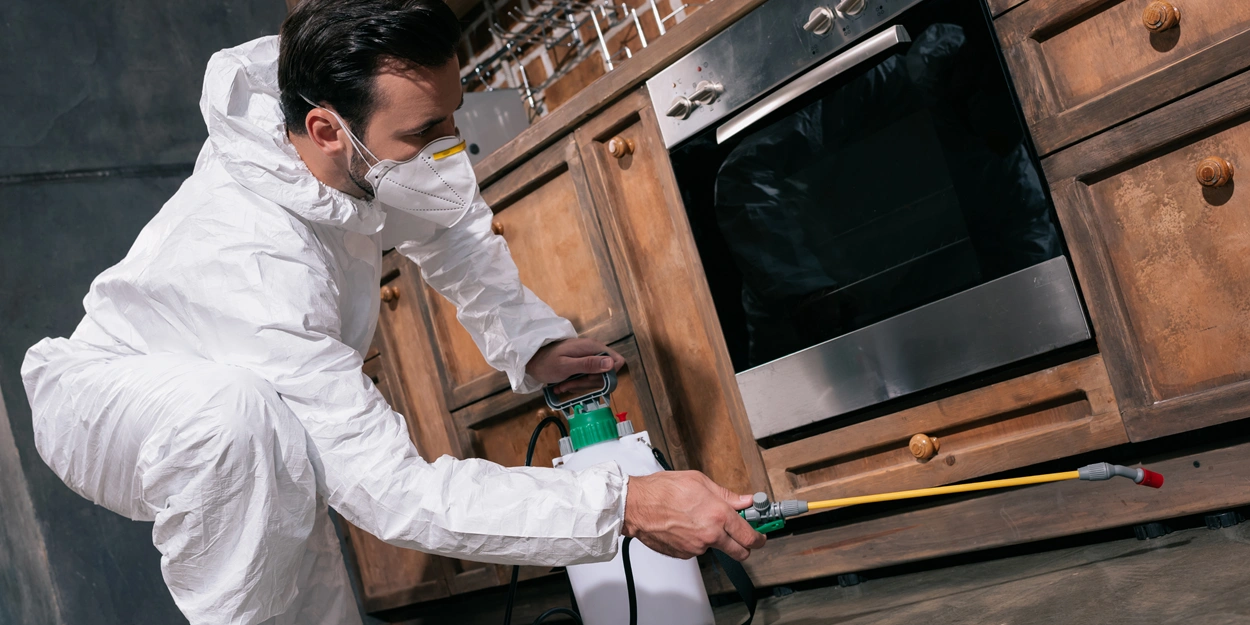
Professional pest control companies use specialized equipment, temperature monitoring, and treatment procedures to raise temperatures throughout the affected area. The goal is to ensure that the required lethal temperature reaches the places where bed bugs and eggs are hiding, rather than simply making the room itself feel hot.
Proper monitoring and heat distribution are critical to treatment success.
For those considering going DIY, bed bug heater rental options are available. These units can heat small spaces or furniture to lethal temperatures, though they require careful monitoring so that you don’t start a fire at your place.
Pros:
- Can kill bed bugs and eggs when lethal temperatures are reached throughout the treatment area
- Does not rely on residual insecticide inside the treated space
- Can treat areas that may be difficult to reach with surface sprays
Cons:
- Treatment can be expensive
- Requires careful preparation and temperature monitoring
- Heat-sensitive belongings may need to be removed or protected
- Heat treatment does not provide residual protection against future bed bug introductions
Still, compared to multiple failed DIY attempts and recurring infestations, it’s often the most cost-effective solution long-term.
Can DIY Heat Treatment Kill Bed Bugs?
DIY heat can work for certain items when the required temperature is reached safely and consistently. For example, the EPA recommends using a household clothes dryer on high heat for items that can safely tolerate it; high-heat drying for 30 minutes can kill bed bugs and eggs.
However, treating an entire room or home with DIY heaters is different. Household thermostats, fireplaces, and portable space heaters should not be used to heat a home for bed bug control because they may not produce or distribute enough heat safely.
For larger infestations, professional heat treatment or an integrated pest management approach is generally the safer option.
Does Alcohol Kill Bed Bugs?
Alcohol can kill bed bugs when it directly contacts them, but that does not make it an effective solution for an established infestation. It does not provide reliable whole-room coverage, does not solve hidden infestations, and should not be relied on to eliminate bed bug eggs or bugs hiding in cracks, furniture, mattresses, or wall voids.
More importantly, rubbing alcohol is highly flammable. The EPA specifically warns that rubbing alcohol can easily ignite and harm people or property. For that reason, spraying alcohol around bedding, furniture, outlets, fabrics, or other ignition sources is not a safe bed bug control strategy.
Bottom line: Alcohol may kill a bug you spray directly, but it is not a dependable or safe replacement for professional bed bug treatment.
Other DIY Bed Bug Methods That Can Help
Not every DIY method should be dismissed. Several non-chemical steps can help reduce bed bugs and support a larger treatment plan.
Steam: Steam can treat cracks, fabrics, bed frames, baseboards, carpets, and furniture when used correctly.
High-heat drying: Items that can safely go into a dryer can be treated on high heat. The EPA recommends high-heat drying for 30 minutes for appropriate bedding and clothing.
Vacuuming: Thorough vacuuming can physically remove bed bugs and help reduce the infestation.
Mattress and box-spring encasements: Bed-bug-proof encasements can trap remaining bugs and make future inspections easier.
Decluttering and isolation: Reducing hiding places and carefully containing infested items can help prevent the infestation from spreading.
These measures can be useful, but they may not eliminate an established infestation by themselves. Bed bug control is often most successful when several appropriate methods are combined as part of an integrated pest management approach.
If you’re tempted to skip the pros to save money, remember that incomplete treatment increases the chance of reinfestation and multiplies the bed bug treatment cost over time.
Heat vs. Alcohol vs. DIY: Which Bed Bug Treatment Works Best?
| Treatment method | Can kill visible bed bugs? | Can address eggs? | Useful for hidden infestations? | Main concern |
|---|---|---|---|---|
| Professional heat treatment | Yes | Yes, when proper temperatures are reached | Yes, when heat reaches hiding areas | Requires professional equipment and monitoring |
| Rubbing alcohol | Yes, on direct contact | Not a reliable whole-infestation solution | No | Highly flammable |
| High-heat dryer | Yes | Yes | No, only for treatable items | Items must tolerate high heat |
| Steam | Yes | Can help when applied correctly | Can reach cracks and fabrics | Technique matters |
| Vacuuming | Yes | Helps remove eggs/bugs that are physically captured | Limited | Does not treat the entire infestation |
| Mattress encasement | Traps existing bugs | Helps contain them | Only the enclosed item | Must remain intact and properly installed |
Best overall approach: For a confirmed infestation, the most dependable strategy is usually a comprehensive treatment plan that addresses visible and hidden bed bugs, eggs, and potential reinfestation points.
Signs You Need Professional Bed Bug Treatment and Inspection
DIY methods might help for mild infestations, but if you notice the following, it’s time to call the experts:
- Multiple bites on your arms, neck, and face start appearing in a line or cluster.
- Visible bed bug droppings (tiny black or brown spots on bedding).
- Live bugs or eggs near the mattress seams.
- Persistent infestations despite constant cleaning and sprays.
Professional exterminators have specialized tools, trained eyes, and the right licenses to apply targeted treatments. In states like Texas, for example, trusted companies such as Bed Bug Texas operate under a valid pest control license in Texas, ensuring every treatment meets strict safety and efficacy standards.
Bottom Line
If you’re serious about eliminating bed bugs, heat is the most effective weapon. Alcohol sprays and DIY tricks might provide temporary relief, but they don’t reach the hidden colonies or eggs. Professional heat treatment, though costly, provides a clean, chemical-free kill that addresses every stage of infestation in one go.
Frequently Asked Questions About Bed Bug Treatment
What is the most effective way to get rid of bed bugs?
There is no single treatment that is guaranteed to work in every situation. Professional heat treatment can be highly effective when temperatures are properly monitored and maintained throughout the infested area. Other methods, including steam, vacuuming, encasements, laundering, and appropriate pest-control products, may also be used as part of an integrated treatment plan.
What temperature kills bed bugs?
The EPA recommends heating infested areas or items to at least 120°F (49°C) for 90 minutes to ensure that bed bug eggs are killed. Successful treatment depends on the required temperature reaching the places where bed bugs are hiding.
Does rubbing alcohol kill bed bugs?
Rubbing alcohol can kill bed bugs on direct contact, but it is not a reliable treatment for an entire infestation. It is also highly flammable, so using alcohol as a bed bug spray can create a serious fire hazard.
Can I get rid of bed bugs myself?
Some infestations can be reduced with careful DIY measures such as high-heat drying, steam, vacuuming, encasements, and thorough monitoring. However, established infestations can be difficult to eliminate completely because bed bugs hide in protected locations and may spread to other areas.
Does washing clothes kill bed bugs?
Washing alone may not reliably kill all bed bugs. The EPA recommends using a clothes dryer on high heat for items that can safely tolerate it; high-heat drying for 30 minutes can kill bed bugs and eggs.
Can I use a space heater to kill bed bugs?
No. Do not try to heat an entire room or home using a household space heater, thermostat, propane heater, fireplace, or similar device. These methods may fail to reach lethal temperatures consistently and can create serious safety risks.
How do I know if I have bed bugs?
Look for live bed bugs, eggs, shed skins, fecal spots, rusty-colored blood spots, and bugs or evidence around mattress seams and nearby furniture. Bites alone are not enough to confirm an infestation.
When should I call a professional?
Consider professional help when you continue finding live bugs after DIY treatment, the infestation is spreading, you cannot locate all hiding places, or you want a comprehensive inspection and treatment plan.