


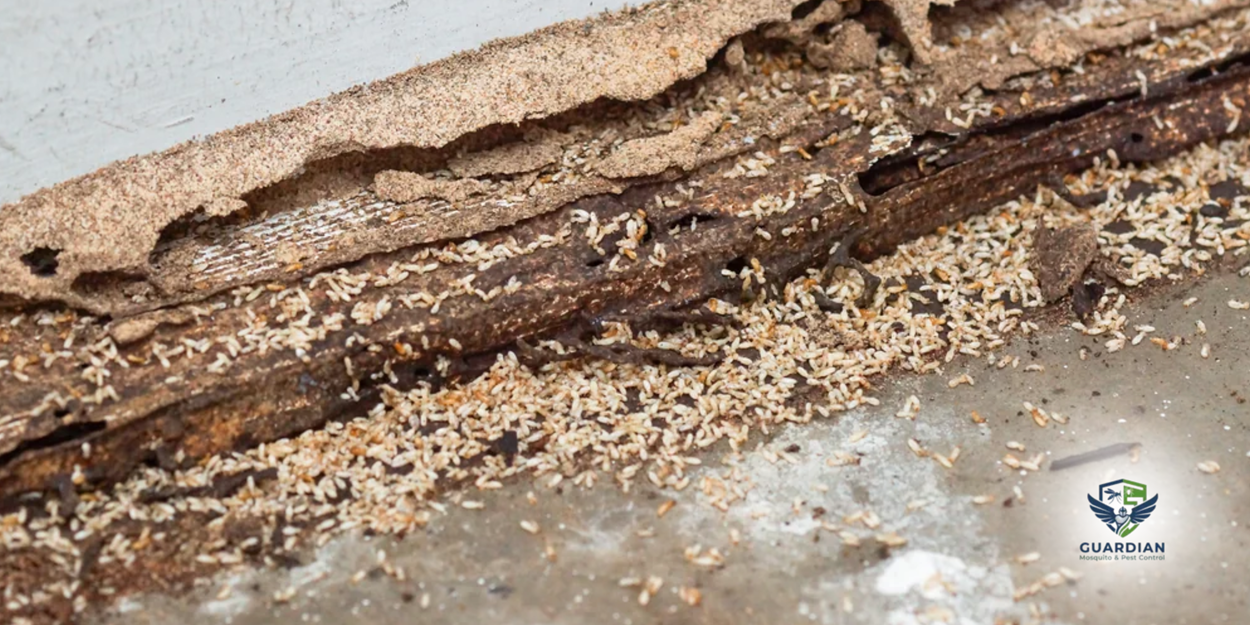
Termites can cause serious damage to your home long before you notice they are there. These tiny insects feed on wood and other materials containing cellulose, often hiding inside walls, floors, and wooden structures. By the time visible damage appears, termites may have already been active for months or even years.
In Conroe, TX, warm temperatures, moisture, and the availability of wood can create suitable conditions for termite activity. Knowing the early warning signs can help you identify a potential infestation before it becomes a bigger problem. Whether you own a new house or an older property, knowing what to look for can help you protect your home and avoid costly repairs.
7 Early Signs of Termites in Your Home
Termites are often called silent destroyers because they can damage wooden structures without making much noise or appearing in the open. Here are some common signs that may indicate termite activity in your home.
1. Mud Tubes Along Walls and Foundations
Mud tubes are one of the most noticeable signs of subterranean termites. These small, tunnel-like structures are usually made from soil, wood particles, and other materials. Termites build them to travel between their underground colonies and the wooden parts of your home while staying protected from dry air and predators.
You may find mud tubes along:
- Exterior foundation walls
- Concrete slabs and crawl space supports
- Areas around plumbing pipes
- Cracks in walls or near the foundation
- Wooden structures close to the ground
These tubes may look like thin, dried lines of dirt running vertically or horizontally along a surface. If you notice them, avoid removing all the evidence. A pest control professional can examine the tubes to check whether termites are still active.
2. Discarded Wings Near Windows and Doors
Finding small, transparent wings on your windowsills, near doors, or around indoor lights can be an early warning sign of termites.
Termite swarmers are often confused with flying ants. However, termites generally have straight antennae, a broad waist, and two pairs of wings that are similar in size. Flying ants have elbowed antennae, a narrow waist, and front wings that are larger than their hind wings.
In Texas, termite swarming is commonly seen during spring and early summer, although timing can vary with the species and weather conditions. Finding discarded wings indoors, especially alongside other signs, is a good reason to arrange an inspection.
3. Hollow or Damaged Wooden Structures
Termites feed on the cellulose found in wood, often eating it from the inside while leaving the outer surface looking relatively normal. This means a wooden doorframe, baseboard, or floor may appear perfectly fine but could be damaged underneath.
You might notice:
- Wood that sounds hollow when gently tapped
- Wooden surfaces that feel weak or unusually soft
- Small holes, cracks, or blistering in wooden structures
- Wood that breaks or crumbles more easily than expected
Termite galleries can run along the grain of the wood, leaving tunnels inside. However, hollow or soft wood does not always mean termites are present. Moisture damage and wood-decaying fungi can cause similar problems, so proper identification is important.
4. Bubbling or Peeling Paint
Bubbling paint or wallpaper can sometimes be an early sign of termite activity, particularly when termites are damaging the wood or creating moisture-related changes beneath the surface.
You may notice paint that appears swollen, uneven, or blistered, especially around wooden doorframes, window frames, and baseboards. In some cases, the surface may look similar to water damage.
However, peeling paint is not proof of termites. Leaking pipes, humidity, and poor surface preparation can cause the same appearance. If the affected area also has hollow-sounding wood, mud tubes, or other signs of termite activity, it is worth having it inspected.
5. Doors and Windows That Suddenly Stick
As termites damage wood, and moisture affects the surrounding materials, wooden frames may become weakened or distorted. This can cause doors and windows to stick, become misaligned, or stop fitting properly.
In Conroe, humidity and seasonal changes can also cause wood to expand and contract. Therefore, a sticking door alone does not necessarily mean you have termites. Look for additional signs, such as damaged wood, discarded wings, or mud tubes, before drawing conclusions.
6. Small Piles of Termite Droppings
Some termite species, particularly drywood termites, push their droppings out of small openings in the wood. These droppings, also called frass, can collect in small piles beneath infested wooden structures.
They may look like tiny, hard, grain-like pellets that are brown, tan, or similar in color to the wood. You might find them near wooden furniture, window frames, doorframes, or other wooden surfaces.
7. Unusual Cracks or Sagging Wooden Floors
Termite damage can weaken the wooden components that support parts of your home. As the damage progresses, you may notice floorboards that feel unusually weak, uneven, or springy when you walk over them.
In more serious cases, damaged wood may contribute to sagging floors, weakened support structures, or visible deterioration around wooden beams.
These problems can also result from structural movement, poor installation, or moisture damage. Still, if you notice unexplained changes in wooden floors or supports, it is important to investigate the cause rather than simply covering up the damage.
When Should You Call a Termite Exterminator?
You should arrange a professional inspection as soon as you notice mud tubes, termite swarmers indoors, unexplained wood damage, or other signs that suggest an infestation. You do not need to wait until the damage becomes visible or severe.
Professional Termite Treatment in Conroe TX may involve targeted liquid treatments, baiting systems, or other methods, depending on the termite species, infestation, and construction of your home. The right approach should be based on a proper inspection rather than a one-size-fits-all solution.
For homeowners looking for Termite Control in Conroe TX, Guardian Mosquito and Pest Control can help assess suspected termite activity and recommend appropriate pest control services. Early attention can help limit further damage and give you a clearer idea of what your home needs.
Final Thoughts
Termites can be difficult to detect because they often remain hidden while feeding on wooden structures. Early signs to watch for include mud tubes, discarded wings, hollow-sounding wood, bubbling paint, and small piles of droppings.
If you notice any of these changes in your home, do not panic, but do not ignore them either. A professional inspection can confirm whether termites are present and help you determine the best next steps. With timely Termite Services in Conroe, you can address potential infestations early, protect your home’s structure, and reduce the risk of expensive repairs.
FAQs
1. What are the first signs of termites in Conroe, TX?
The first signs of termites in Conroe, TX, include mud tubes along foundations, discarded wings near windows, hollow-sounding wood, bubbling paint, and small piles of termite droppings. These warning signs may indicate an active infestation. A professional termite inspection can help confirm termite activity and prevent further structural damage.
2. How do I know if my house has termites in Conroe, TX?
You may have termites in your Conroe, TX, home if you notice mud tubes, damaged wooden structures, discarded termite wings, or doors and windows that suddenly stick. Termites often remain hidden inside walls and wooden structures, so visible damage may not reveal the full extent of an infestation. A professional inspection is the best way to identify termites and assess potential damage.
3. How much does termite treatment cost in Conroe, TX?
The cost of termite treatment in Conroe, TX, depends on the termite species, infestation severity, property size, and treatment method. Minor infestations may require less extensive treatment, while widespread termite activity may need a more comprehensive solution. A professional termite inspection can help determine the appropriate treatment and provide an accurate estimate.
4. When is termite season in Conroe, TX?
Termite swarming in Conroe, TX, commonly occurs during spring and early summer, when warm temperatures and moisture create favorable conditions. Subterranean termite swarmers may appear after rainfall, while drywood termite activity can vary by species and weather. However, termites can remain active inside homes throughout the year, making regular inspections important for homeowners.
5. What termite control services are available in Conroe, TX?
Professional termite control services in Conroe, TX, may include termite inspections, liquid treatments, baiting systems, and customized infestation management. Guardian Mosquito and Pest Control can assess suspected termite activity, identify potential risks, and recommend appropriate termite treatment options to help protect your home from further damage.